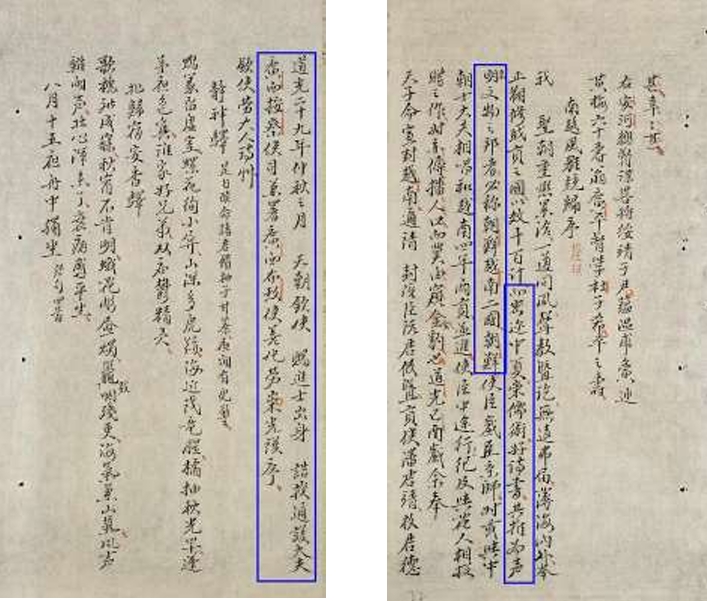
This paper examines the Tonkin Free School (Đông Kinh Nghĩa Thục) as a key site for the transmission and adaptation of East Asian reformist thought in early 20th-century Vietnam. Through an analysis of Văn Minh Tân Học Sách (New Learning Strategies for the Advancement of Civilization), it highlights how Vietnamese intellectuals engaged with and reconfigured ideas from Kang Youwei 康有爲 (1858-1927), Liang Qichao 梁啓超 (1873-1929), Fukuzawa Yukichi 福澤諭吉(1835-1901), and Zheng Guanying 鄭觀應 (1842–1922) within a localized vision of modernization. The study underscores that texts composed in Classical Chinese within the East Asian Sinosphere must be read in their original written language to fully reveal their intertextual references. Translating such texts into a non-Chinese language requires direct engagement with the original rather than reliance on intermediary versions, ensuring the preservation of intertextual richness. Without this process, translations risk distorting a text’s intellectual and cultural dimensions. By reassessing the textual strategies of the Tonkin Free School and subsequent translations of Văn Minh Tân Học Sách, this paper highlights Vietnam’s modernization as an active intellectual negotiation rather than a passive reception of foreign ideas.
Citations
Citations to this article as recorded by
PRECEDENT PHENOMENA IN THE PARADIGM OF RELAYING CULTURAL INFORMATION IN MUSICAL TEXT Bogdan Siuta, Uliana Molchko, Olena Bondarenko, Liubov Gunder ShodhKosh: Journal of Visual and Performing Arts.2026; 7(6s): 20. CrossRef
The utilization and evolution of classical Chinese writing on the Korean Peninsula exhibit distinctive characteristics within the broader East Asian cultural sphere. In ancient Korea, despite the existence of multiple competing states, a shared cultural civilization emerged wherein Classical Chinese writing played a pivotal role. Subsequently, Korean intellectuals actively assimilated and reinterpreted Classical Chinese texts, significantly contributing to developments in literature, history, law, politics, economics, and various scholarly disciplines. Classical Chinese served not only as a medium for intellectual discourse but also facilitated the dissemination and exchange of shared knowledge. Even after the invention of Han’gŭl in the 15th century, Han’gŭl documents primarily remained restricted to personal correspondence, translations of royal protocols, women's writings, and fictional works.
This paper provides an overview of the historical development of classical Chinese literature on the Korean Peninsula, categorizing its progression into three distinct stages: the formative period of classical Chinese textual conventions, the period of expansion, the era of transformation and diversification. During each period, state authorities rigorously upheld established literary genres and hierarchical writing practices, while simultaneously non-political and popular literary traditions emerged and evolved in opposition to state influence. This complex interplay led to a multilayered literary culture in pre-modern Korea. The classical Chinese literary tradition, forged through the interactions and tensions among state power, non-political literary hierarchies, and popular literary movements, generated an extensive corpus that includes fictional literature reflecting national sentiments or reality, scholarly treatises, historical documentation, and rhetorical documents employed in diplomatic exchanges and both public and private contexts.
The utilization and evolution of classical Chinese writing on the Korean Peninsula exhibit distinctive characteristics within the broader East Asian cultural sphere. In ancient Korea, despite the existence of multiple competing states, a shared cultural civilization emerged wherein Classical Chinese writing played a pivotal role. Subsequently, Korean intellectuals actively assimilated and reinterpreted Classical Chinese texts, significantly contributing to developments in literature, history, law, politics, economics, and various scholarly disciplines. Classical Chinese served not only as a medium for intellectual discourse but also facilitated the dissemination and exchange of shared knowledge. Even after the invention of Han’gŭl in the 15th century, Han’gŭl documents primarily remained restricted to personal correspondence, translations of royal protocols, women's writings, and fictional works.
This paper provides an overview of the historical development of classical Chinese literature on the Korean Peninsula, categorizing its progression into three distinct stages: the formative period of classical Chinese textual conventions, the period of expansion, the era of transformation and diversification. During each period, state authorities rigorously upheld established literary genres and hierarchical writing practices, while simultaneously non-political and popular literary traditions emerged and evolved in opposition to state influence. This complex interplay led to a multilayered literary culture in pre-modern Korea. The classical Chinese literary tradition, forged through the interactions and tensions among state power, non political literary hierarchies, and popular literary movements, generated an extensive corpus that includes fictional literature reflecting national sentiments or reality, scholarly treatises, historical documentation, and rhetorical documents employed in diplomatic exchanges and both public and private contexts. Keywords: Classical Chinese with Classical Grammar, hybrid Korean-style Chinese, transformation texts, rhymes, civil service examination composition, public literature, private literature, diplomatic documents
This paper puts forward the concepts of “king’s words” and “king’s documents” and takes as its primary goal the extraction of a corpus of such “documents” from extant sources. In identifying and classifying primary sources found within epigraphic inscriptions and compiled texts, this paper investigates clues within that suggest the original format of “king’s documents.” Among “king’s documents” from ancient Korea, those that were disseminated for a domestic audience include ryŏng 令 “mandate,” myŏng 命 “order,” sŏ 書 “document; letter,” kyo 敎 “decree,” chemun 祭文 “sacrificial address,” and yujo 遺詔 “final testament.” Ryŏng were used for amnesties or calls for recommendations of talented individuals, while myŏng was used for matters such as the construction or repair of ceremonial facilities. Kyo were used to promulgate important policies or implement measures related to maintaining basic public order.
Before the kyo document form was adopted in the peninsular kingdoms, there was a type of “king’s document” known simply as sŏ. Sŏ appear to have been diplomatic documents originally, but their function was expanded as they were increasingly used in internal administration. In the mid-second century, kyo and ryŏng became the basic forms of “king’s documents,” but sŏ continued as lower-level correspondence or as diplomatic documents exchanged between kingdoms of equal status. Sacrificial addresses and king’s final injunctions existed since the beginning of the all three kingdoms, but these appear to have been performed orally until a certain point when they were “document-ized” in middle and late period Silla.
Kaifūsō 懷風藻 from the Nara period is the oldest surviving collection of Japanese kanshi 漢詩. Its poems were in a formative stage, imitating the poetry of the Six Dynasties and early Tang periods. However, after the middle and later Heian period, distinctly Japanese forms of kanshi such as the seven-character regulated verse and kudaishi句題詩 began to emerge amidst the popularity of Bai Juyi’s poetry. During the Kamakura period, the practitioners of kanshi starkly shifted from aristocrats to Zen monks, marking the beginning of what is called gozan bungaku 五山文學, which continued into the Muromachi period. During this time, the literature of the Song and Yuan dynasties—especially Su Shi and Huang Tingjian’s poetry from the Northern Song—was held in high regard, as well as the poetry of Du Fu, who greatly influenced them. Influenced by these three figures, Zen monks of the Muromachi period not only composed kanshi, but also gave lectures on their poetry and preserved their teachings in shōmono. These shōmono hold unique significance in the history of Japanese kanshi studies as the first interpretive works. This paper outlines the reception of Du Fu’s poetry up until the early era of Gozan Bungaku and then introduces four shōmono on Du Fu’s poetry from the middle period and beyond.
This paper examines Xu Shen’s 許慎 Shuowen jiezi 說文解字 and its “Postface” in order to illuminate how Han intellectuals conceptualized the origins and functions of Chinese writing. By analyzing Xu Shen’s narrative of script development—from Cang Jie’s 倉頡 legendary invention of the “ancient script,” through Shi Zhou’s large seal script, to the Qin dynasty’s small seal and clerical scripts—this study argues that Xu Shen framed the history of writing not as a neutral record but as a moralized genealogy. The central claim is that Xu Shen associated the legitimacy of each script with the character and moral standing of its attributed creator. Cang Jie, with his superhuman vision, epitomized the earliest and most authoritative script, whose purpose was to order society and enable moral education. By contrast, Qin figures such as Li Si 李斯, Hu Wu Jing 胡毋敬, and Zhao Gao 趙高 embodied opportunism, low bureaucratic standing, or outright immorality, thereby rendering the small seal script a compromised though still usable medium. The clerical script, attributed to the judicial official Cheng Miao, was rejected altogether because it originated in administrative expediency rather than ethical cultivation, and thus signified hegemonic rather than kingly governance.
Through cross-textual analysis of transmitted sources and Han commentaries, this paper shows that Xu Shen’s philosophy of writing reflects broader Han concerns over the relationship between language, morality, and political order. Ultimately, Shuowen jiezi is not merely a philological enterprise but a moral-political project: it positions writing as the foundation of Confucian governance and as a vehicle for sustaining the kingly way.
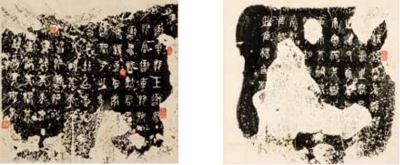
Ancient stone inscriptions composed in ancient script 古文字, known as epigraphic rubbings of ancient texts 古文碑帖, are confirmed to have been introduced into Chosŏn in large numbers beginning in the late sixteenth century. The interest in epigraphic rubbings of ancient texts 古文碑帖 during the late Chosŏn period stemmed from the fervent enthusiasm for epigraphy 金石 and epigraphic compilations 金石帖. Starting with the 17th-century envoy mission to Beijing 燕行 led by Rangsŏn’gun Yi U 朗善君 李俁, Chosŏn envoys who admired epigraphy and calligraphy acquired Shiguwen 石鼓文, Shenyubei 神禹碑, and Yishanbei 嶧山碑, thus giving rise to the epigraphy fever 金石熱 beginning in the 17th century, which extended to the domain of epigraphic rubbings of ancient texts 古文碑帖. What is especially noteworthy is that in the late Chosŏn period, epigraphic rubbings of ancient texts 古文碑帖 were not merely briefly described, but rather were subjected to in-depth analysis and decipherment of characters and texts from a philological standpoint.
Shiguwen 石鼓文, the first stone-carved poetic inscription in China, is confirmed to have been introduced already in the 15th century and was brought in repeatedly through 17th to 19th-century envoy missions to Beijing 燕行. Accordingly, Chosŏn literati revealed a general philological consciousness by citing works such as Rixia jiuwen kao 日下舊聞考, Daxing xianzhi 大 興 縣 志 , and Dijing jingwu lüe 帝 京 景 物 略 to investigate the textual transmission of the Stone Drums 石鼓. Shenyubei 神禹碑 is presumed to have been introduced during the 16th to 17th centuries, and it is confirmed that a rubbing 拓本 of Shenyubei had already been brought into Chosŏn by 1659, as evidenced through a classical Chinese poem by Yun Hŭk 尹鑴. Hŏ Mok 許穆 (1595–1682) identified the edition of Shenyubei purchased by Yi U, Nam Kŭk’gwan 南克寬 criticized the cultural value of Shenyubei with striking acuity, and Sŏng Haeŭng 成海應 synthesized and organized the theories concerning the transmission and excavation of Shenyubei. Moreover, Chosŏn literati appreciated the aesthetic quality of the calligraphy in the inscription of Yishanbei 嶧山碑 from the early stage of its introduction and actively embraced its calligraphic style 書法, exhibiting a philological attitude regarding issues such as the authenticity and authorship of the stele.
This paper applies a stratigraphic analytical method to the “Wuxing zhi” 五行志 chapter of the Han shu 漢書 and uses the results of this analysis to argue that the “Wuxing zhi” is a composite text. The contents of the “Wuxing zhi” reflect three major moments of authorship: a catalogue composed by Western Han scholar Dong Zhongshu 董仲舒 (179-104 BCE) that summarizes anomalies and calamities recorded in the Chunqiu 春秋 “Spring and Autumn Annals”; a catalogue composed by Western Han scholar Liu Xiang 劉向 (77-6 BCE) that expanded Dong Zhongshu’s list and applied the Hong fan Wuxing zhuan 洪範五行傳 theoretical framework to it; and Ban Gu’s 班固 (32-92) fusion of these two catalogues and addition of a catalogue of Western Han anomalies to form the main part of the contents of the “Wuxing zhi.” This view of the “Wuxing zhi” as a composite text breaks away from the traditional focus on whether it reflects a tendentious view of history and the extent to which its contents were fabricated, demanding that before such questions be asked, the “Wuxing zhi” must first be studied by its constituent layers. Indeed, stratigraphic analysis suggests that the contents of the “Wuxing zhi” reflect acts of rigorous historical study (not intentional deceipt or fabrication) carried out from the theoretical perspective of “heaven-human sentient response theory” 天人感應論 at separate points in time) and thus revitalizes this text as a source of Han intellectual history.
In the face of the failure of both traditional European Sinology/Japanology and North American Area Studies to overcome anachronistic nation-centered methodologies, this article calls for a new East Asian Studies in a globe-spanning and comparative key, as part of the emerging Global Humanities. It illustrates ways to push for a new regionalism in East Asian Studies, in the overall frame of our shared global condition, and aims to empower the concept of the “region” as a unit of human experience and state-building, transcultural encounters and knowledge exchanges, and a zone of proximity and close difference that provides an alternative to essentializing notions of “cultures” or “civilizations” that could be academically incommensurable and incomparable or militarily and socially “clashing.”As a case study the article explores the rise of modern, Western-style literary historiography in East Asia, a process that has so far only been analyzed separately in Japanese, Chinese, and Korean studies and thus not been understood in its historical significance and complexity. The article proposes new tools for understanding the rise of this genre in the context of the emergence of the modern Japanese empire in the region, typologizing literary histories into “idiographic,” “heterographic,” and “xenographic” ones, written, respectively, on the historiographer’s own, a culturally related, or completely foreign literary tradition. Ultimately it aims to illustrate the need for a regionally-focused, globally framed, understanding of East Asia and also to showcase how a new focus on comparative studies of premodern macro-regions can help developed more nuanced methodologies for our understanding of the diversity of human culture.
The controversy regarding the late-compiled Ancient-Scrip Shangshu extended over several centuries. It was initially instigated by Song宋 and Yuan元 scholars, including Wu Yu吳棫 , Zhu Xi 朱熹, and Wu Cheng 吳澄, who introduced a skeptical approach toward the classic. Subsequently, during the Ming period, scholars such as Mei Zhuo梅鷟 and Hao Jing郝敬 conducted textual investigations that revealed significant doubts regarding the work.
Amid this fervent debate, neighboring Korea and Japan—through diplomatic book acquisitions and cultural exchanges—gradually became attentive to the issues of authenticity associated with the late-compiled Ancient-Script Shangshu古文尙書, influenced by the scholarly debates of the Ming 明 and Qing 淸periods. A survey of Chinese texts in both countries, however, indicates that the debate resonated more profoundly in Korea than in Japan. This discrepancy can be attributed to the fact that Zhu Xi’s Neo-Confucianism served as the foundational norm for all ritual practices during the formation of the Korean state. Zhu Xi regarded the sixteen-character method for cultivating the mind—“人心惟危,道心惟微。惟精惟一,允執厥中”—as the self-cultivation technique practiced by the ancient sage-kings of the Three Dynasties. Notably, the chapter Dayu Mo, which records this method, is included in the late-compiled Ancient-Script Shangshu.
Accordingly, this paper focuses on seventeenth-century Korea, investigating how Korean Confucian scholars of that era perceived the authenticity issues related to the late-compiled Ancient-Script Shangshu.
This paper focuses on the theoretical and methodological issues in the study of East Asian Sinographic texts. Previous research has generally followed four basic models: the “Sinocentric perspective,” “influence studies,” the “challenge-response theory,” and the “internal development theory.” These models reflect nineteenth- and twentieth-century modes of thought, but their limitations have become increasingly evident today. In response, the author proposes the concept of the “Sinographic Cultural Sphere as Method,” which emphasizes viewing East Asian Sinographic texts as an integrated whole while recognizing both differences within similarities and similarities within differences. This approach seeks to move beyond the dichotomy of center and periphery, advocating for multidirectional book circulation and mutual interaction. In the era of globalization, research on East Asian Sinographic texts should focus on identifying commonalities through particularities, thereby contributing to cultural exchange, integration, and the development of East Asian scholarship in the 21st century.
This paper identifies a case of textual dislocation in each of two chapters of the Shiji: the “Memoir of Li Shang” and the “Memoir of the Xiongnu.” Reconstructing these misarranged passages suggests that the Memoirs section of the Shiji was originally composed on bamboo slips containing approximately 21 to 23 characters each—a format consistent with other narrative texts of the period. This suggests that Sima Tan and Sima Qian may have directly excerpted or copied earlier source materials in their compilation of the Shiji.
The displaced slips in the “Memoir of Li Shang” were already present in the version known to Ban Gu, leading to longstanding misinterpretations and textual modifications beginning with the Hanshu. Once restored, the passage shows that Li Shang and Fan Kuai were appointed Right and Left Chancellors, respectively, and took command in suppressing the rebellions of Zang Tu and Chen Xi after Gaozu’s withdrawal from the front. This restoration offers new insight into the structure of the chancellorship in the early Han dynasty.
The disruption in the “Memoir of the Xiongnu,” on the other hand, suggests that prior to the Eastern Han, there were at least two competing accounts of the final years of Emperor Wu’s reign. Eventually, only the version aligned with the Hanshu narrative prevailed and was established in the received historical tradition.
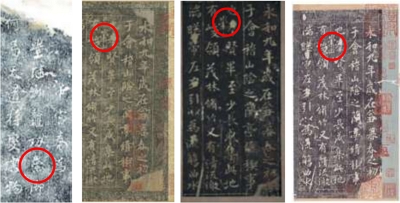
Wang Xizhi 王羲之 (ca. 303-ca. 361), the paragon calligrapher of the Eastern Jin dynasty, became a canonized figure in Chinese cultural history, particularly after Emperor Taizong of the Tang obsessively collected and reproduced his works. At that time, thus, one main criteria for ideal calligraphy was its resemblance to Wang’s style. In this context, stele inscriptions emerged that were composed by collecting, comparing, and imitating individual characters from Wang’s extant corpus—a practice known as “Collating Characters” 集字. One notable example in Korea is the Memorial Stele for Enshrining the Amitābha Buddha Statue at Mujangsa Temple 鍪藏寺阿彌陀佛造成記碑(801). Controversy has surrounded its calligraphic origins, however. In 1803, the prominent Qing scholar Weng Fanggang 翁方綱 (1733–1818) stated that the stele’s calligraphy was modeled on the Dingwu edition (1041) of the Preface to the Orchid Pavilion. In contrast, his son Weng Shukun 翁樹崑 (1786-1815) and the Korean antiquarian Kim Chŏnghŭi 金正喜 (1786–1856) maintained the traditional view, i.e., the brushwork to Kim Yukchin 金陸珍 (fl. tenth century), a Silla calligrapher. This case study of the Mujangsa Stele examines how the same inscription was interpreted differently by scholars in China and Korea, revealing divergent frameworks of copying, authenticity, and cultural authority. It then turns to ongoing debates among modern scholars, proposing that the two seemingly opposing theories—collation versus Korean inscriber—may in fact be complementary rather than contradictory.
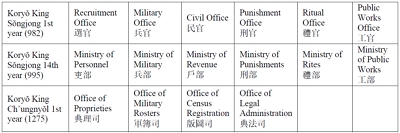
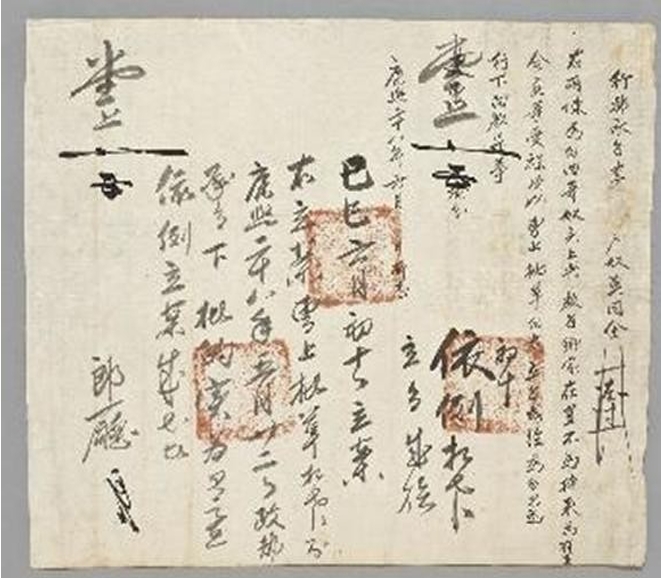
This paper examines the adoption process of Chinese legal codes from the Koryŏ to the Chosŏn periods and the subsequent changes of Korea’s legal system. Although Koryŏ organized its legal system based on the Tang code 唐律, it also adopted various other Chinese laws as needed. The Yuan 元 (1271-1368) demanded legal reforms from Koryŏ, but Koryŏ opposed, citing differences in social foundation. Eventually, the Yuan succeeded in prohibiting consanguineous marriage but failed in reforming the slave system. As a kingdom ruled by royal law, Koryŏ had weak legal stability, and so its society was in disorder. At the end of the 14th century, Koryŏ adopted the Great Ming Code 大明律to revise the legal disorder, and the legal code was carried over to the Chosŏn dynasty. The sixfold division of the Rites of Zhou 周禮 became the foundation of the Koryŏ government organization, and during the Chosŏn period, it became not only the basis for government organization but also a model for compiling legal codes. In the late 14th century, the adoption of Neo-Confucianism and Zhu Xi’s 朱熹 (1130-1120) Family Rituals transformed the gender-equal family structure into a patriarchal one. This transformation began with a shift from uxorilocal marriage to virilocal marriage and proceeded toward excluding women from ancestral rites and strengthening the inheritance rights of men and eldest sons. By the late 19th century, patriarchy was de facto established and was further reinforced during the colonial period. Furthermore, as time passed, many unique Chosŏn provisions that differed from the Great Ming Code emerged in criminal law, leading to its Chosŏn localization. However, Chosŏn emphasized ethical norms such as social status relationships more than China.
The characteristic of adopting Chinese law in the traditional period was the proactive and autonomous adoption of those that fitted our needs. This approach remains meaningful even in the 21st century, when the world continues to integrate.
In the aftermath of World War II, Hong Kong emerged as a prominent refuge for Chinese intellectuals fleeing the political upheaval in mainland China. Notable scholars such as Jao Tsung-I (饒宗頤, 1917-2018), Lo Hsiang-lin (羅香林, 1906-1978), and Qian Mu (錢穆, 1895-1980) engaged deeply with Korean historical studies, perceiving Korea as a critical case for examining the dynamics of Chinese cultural transmission abroad. This article employs textual analysis of their contributions to Korean historical discourse to elucidate how these scholars conceptualized cultural inheritance within the distinctive colonial context of Hong Kong. Their investigations, which underscored the Korean adaptations and preservation of Chinese traditions, reflected their own concerns regarding cultural continuity amidst the challenges of modernity and Western influence. By situating their scholarship within the broader academic and cultural landscape of Hong Kong, this study highlights the importance of Korea-focused research in shaping the intellectual milieu of post-war Hong Kong. It posits that their contributions to Korean studies not only significantly advanced global Korean scholarship but also enriched the discourse surrounding modern Chinese intellectual and cultural history, particularly in relation to the preservation and transformation of cultural identity within diaspora contexts.
The development of scholarship and material culture on the Korean Peninsula was deeply shaped by successive Chinese dynasties. During the Chosŏn period, frequent tributary missions to the Ming 明 (1368-1644) and Qing 淸 (1636-1912) courts introduced new forms of learning, technologies, and artifacts, but these exchanges did not conform to Nishijima Sadao’s 西嶋定生 (1919-1998) model of a tributary order centered on the Chinese emperor. Chosŏn actively sought books on Zhu Xi’s 朱熹 (1130-1200) thought through private trade, despite continuing bans imposed by the Ming and Qing governments. In material culture, demand shifted from heavy reliance on Ming goods, to brief resistance during the Ming – Qing transition, and then to renewed admiration for Qing artifacts in the late eighteenth century. Yet the Qing court’s extremely limited bestowals – such as falangci “enameled porcelain”, reserved for official banquets, display, or burials – had only marginal influence on Chosŏn society. This scarcity invites reconsideration of the actual scope of imperial power in East Asia.
In 1596, Chosŏn ambassadors Hwang Shin 黃愼 (1560-1617) and Pak Hongjang 朴弘長 (1558-1598) joined the ill-fated mission to Japan to invest Hideyoshi as King of Japan and restore peace to the region. Hwang Shin’s diary is an important historical source for the breakdown of the peace negotiations, which resulted in the devastating invasion of 1597. The ambassadors’ diaries also give detailed accounts of the alien country and the people who had visited such destruction on their homeland and yet were so little understood by people in Korea. Hwang’s diary particularly compares cultural norms and values in China, Korea, and Japan, revealing in the process what he thought about these countries and their places in the world.
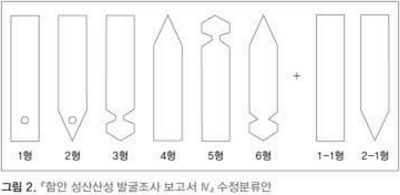
This article examines the non-textual communicative functions of mokkan 木簡 (wooden inscribed documents) in early Korean writing culture, framing them not merely as textual carriers but as objects which material and aesthetic properties played a central role in meaning-making. While existing scholarship often prioritizes deciphering textual content, this study emphasizes the visual, tactile, and contextual dimensions of mokkan—including their shape, size, texture, inscription method, and spatial orientation—as active agents in the adaptation of Sinographic writing. It argues that wood’s pliability enabled a culture of writing deeply intertwined with experimentation and sensory engagement. From notation tags and practice multi-surfaced rods to carved amulets, mokkan embodied social, religious, and administrative functions beyond the semantic meaning of the script. By situating mokkan within broader East Asian material traditions, the article lays out a preliminary groundwork that underscores the importance of medium-specific aesthetics and tactile interactions in the formation of early Korean literacy and textual culture, revealing how writing was experienced as both a visual and bodily practice.
This paper aims to introduce the Suryǒm ch’ǒngjǒng chǒlmok 垂簾聽政節目 (Regulations for Queen Dowager Regency) from nineteenth-century Chosǒn, as recorded in the Chosǒn wangjo sillok 朝鮮王朝實錄 and Sŭngjŏngwŏn ilgi 承政院日記, with the goal of providing a comprehensive English-language translation and analyzing the characteristics of the regulations. The Suryǒm ch’ǒngjǒng chǒlmok standardized the procedure for suryǒm ch’ǒngjǒng 垂簾聽政 (queen dowager regency), authorizing queen dowagers to assume a public role during the minority or unpreparedness of a king, which marked the only period in which women were legally and directly involved in court politics. This paper will analyze each regulation from the 1800 promulgation of the Suryǒm ch’ǒngjǒng chǒlmok for Queen Dowager Chŏngsun’s 貞純王后 (1745-1805) regency for King Sunjo 純祖 (1790-1834) and identify the amendments to the regulations during the later queen dowager regencies. The regulations allowed the queen dowagers to be involved in court politics within established bounds, covering a range of procedures from where the queen dowager could sit in court, how to give orders and how the king could turn to the queen dowager for advice. The regulations established the procedure for regency with the purpose of encouraging the joint governance between the queen dowager and the king, which coincided with the king’s education during the regency period. The Suryǒm ch’ǒngjǒng chǒlmok is significant to studies on the queen dowagers and the institutional history of the Chosǒn dynasty because it codified queen dowager regency, officially authorizing them to assume a public and political role, albeit temporarily.
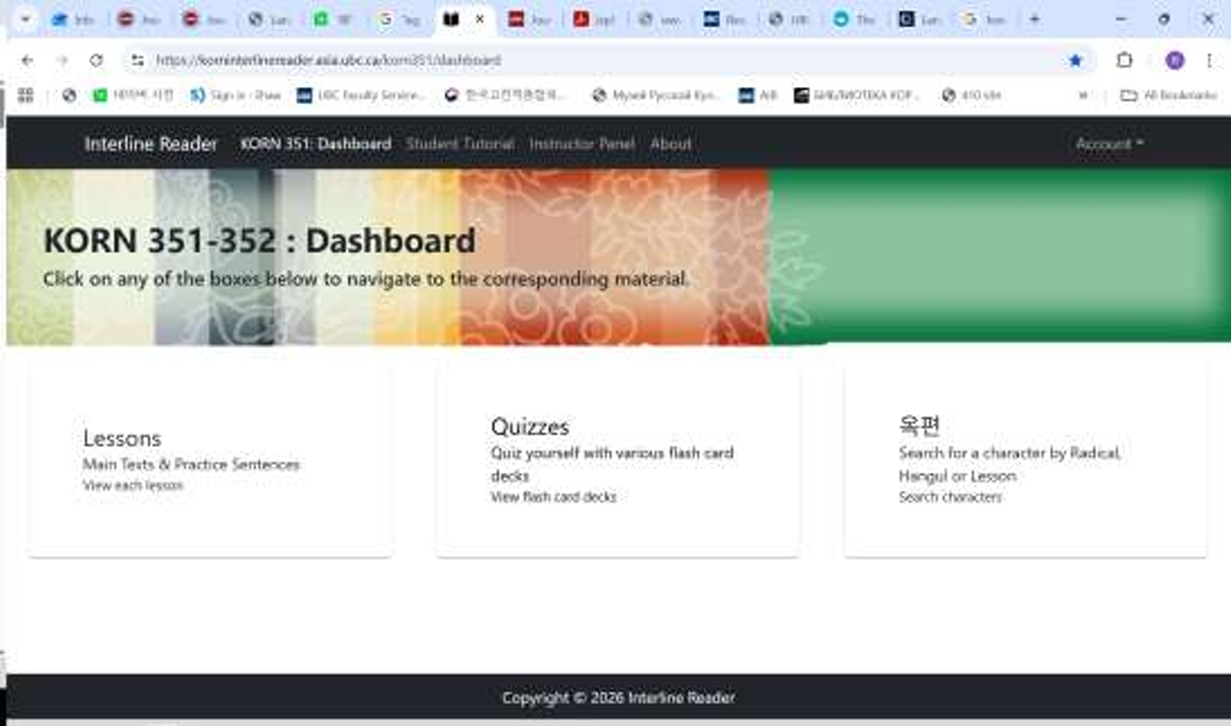
In the context of a special issue on education outside Korea, this paper surveys the current status of sinograph education in Korean Language Education (KLE) for foreigners, and finds that there is a dearth of both research on and teaching materials for hancha kyoyuk. Hence the “First Things First” in the title: we can hardly expect to make progress in hanmun education when so little exists in the way of resources for and courses in sinograph education—the single most basic prerequisite for teaching hanmun. After suggesting a number of reasons for the current lamentable neglect of hancha education, the paper draws some illustrative comparisons with sinograph education in Japanese Language Education and Chinese Language Education before rehearsing a number of compelling justifications for including a robust hancha education component in KLE (whether for Koreans or foreign learners of Korean). The remainder of the paper introduces the pedagogical ideology and methodology behind the Advanced Korean: Sino-Korean Companion textbook and its companion online resource, the UBC Interline Reader.
This paper explores the discursive strategies adopted by Chosŏn Korea to claim the legacy of Chinese civilization following the fall of the Ming dynasty. Facing the challenge of being a marginal state outside China, Chosŏn intellectuals constructed various narratives to substantiate their inheritance of the orthodoxy of Chunghwa (Central Efflorescence). Historical narratives, reformulated by influential figures like Song Si-yŏl, aimed to establish a direct bond of Confucian loyalty between the Chosŏn people and the Ming emperors. Simultaneously, geographic and historiographical discourses sought to validate the continuity between Chosŏn and the Ming, emphasizing their shared civilizational terrain. However, the introduction of Western geographical knowledge destabilized the notion of China’s centrality, posing a threat to the legitimacy of Chosŏn-Chunghwa. This challenge precipitated a shift toward a cultural-universalist approach, prioritizing the individual’s capacity to practice Confucian ethics over the strict adherence to external rituals and customs. By examining these evolving strategies and debates, this paper sheds light on Chosŏn’s struggle to negotiate its marginality while asserting itself as the rightful successor to Chinese civilization.
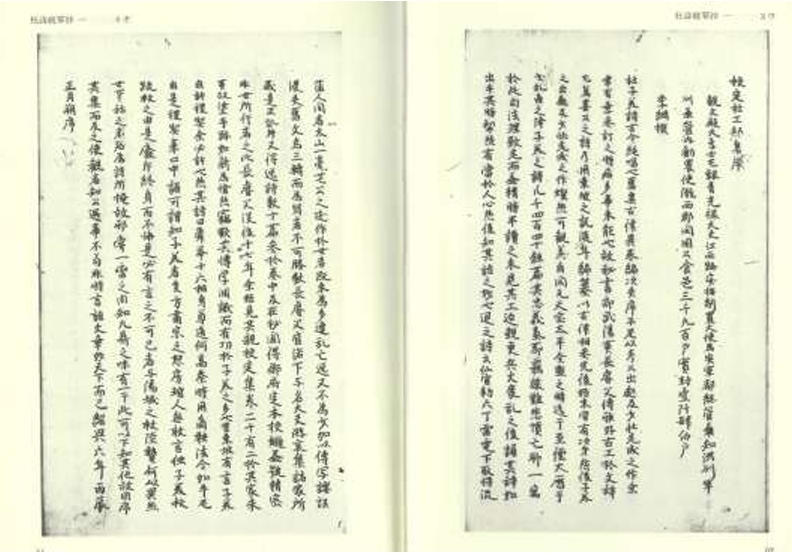
Chinsan Sego 晉山世稿 is a collection of literary works compiled by Kang Hŭimaeng 姜希孟, containing the poems and writings of his grandfather, father, and elder brother. The collection includes the works of Tongjŏng 通亭 Kang Hoebaek 姜淮伯, Wanyŏkchae 玩易齊 Kang Sŏktŏk 姜碩德, and Injae 仁齋 Kang Hŭian姜希顔.
Chinsan sego is particularly significant as it is one of the earliest sego (a type of family literary collection) publications from the Chosŏn Dynasty. It served as a model for later sego compilations, profoundly influencing the genre. Its importance was officially recognized on December 18, 1998, when it was designated as Treasure No. 1290 (privately owned) by the Cultural Heritage Administration of Korea.
The collection, which Kang Hŭimaeng first began compiling, continued to be supplemented with the literary works of other key figures from the Chinju Kang clan throughout the Chosŏn Dynasty, adding to its historical value and legacy. A thorough examination of Chinsan sego is necessary, as numerous copies (including incomplete ones) have been identified in institutions both in Korea and abroad.
Accordingly, this study aims to organize and systematize the lineage of Chinsan sego editions to identify their publication characteristics and examine the editorial intent involved. Consequently, the research ultimately classifies the collection into five distinct editions—the First Edition (1474), the 1491 Edition, the 1658 Edition, the 1845 Edition, and the 1959 Edition—and summarizes the unique characteristics of each.
In addition, this study observed that while the early Chinsan sego compiled by Kang Hŭimaeng was primarily based on the consciousness of “the succession of a clan’s moral works and literary legacy,” the versions published after the 1658 edition under the title Chinsan sego sokjip 晉山世稿續集reflected a shift in consciousness toward “the commemoration of a neglected talent 懷才不遇 and the succession of the will of forebears 遺旨.”
In particular, a distinction from the earlier compilation was found in the fact that most figures added to the Chinsan segosokchip, including Kang Kŭksŏng 姜克誠, were those who possessed great literary talent but passed away early without reaching high government positions.
In Korean studies, the prevailing consensus has long been that Kim Pusik’s 金富軾 (1075-1151) Samguk sagi 三國史記narrative is predominantly Confucian, dry, and rational. However, in the 21st century, this view has been vigorously and successfully challenged by scholars who find profound drama and undeniable literary merit in this chronicle. Following this trend, I analyze the methods of creating archetypes in Kim Busik’s narrative, dividing these archetypes into two categories. Along with the obvious “functional” role models reflecting various Confucian virtues and vices, the Samguk sagi also contains more subtle, “hidden” archetypes rooted in a deep mythological consciousness. The biographies of historical figures reflect motifs of Joseph Campbell’s “Hero’s Journey” and the Transformations of the Hero, while unexpected parallels in the structure and narrative of the adventures of the “protagonists” Kim Yusin 金庾信 and “antagonists” Kungye 弓裔 offer intriguing comparisons. The interplay of “functional” and “Campbellian” archetypes throughout the storyline allows for a better appreciation of the literary talent of Kim Pusik and his predecessors, revealing cosmogonic motifs in the presentation of historical events seemingly uncharacteristic of Confucian historiography, and confirming the deeply syncretic nature of ancient and medieval Korean culture, which persisted until at least the 12th century. It can be surmised that Kim Pusik’s historiography did not reject myth perse, but on the contrary, embraced dramatic mythologization of historical figures that enhanced their significance for the history.
This article investigates the educational philosophy of the 16th-century Korean Neo-Confucian scholar Yi Yulgok (1536-1584), evaluates its contemporary relevance through an analysis of his seminal text, Gyeongmong yogyeol (The Secret to Banishing Ignorance), and concludes with an autoethnographic reflection by the author. This argument is grounded in a methodology that combines textual analysis of Yulgok’s primary writings with biographical-historical contextualization, complemented by autoethnographic reflection on fifteen years of teaching this philosophy to a global student body. The analysis traces this holistic perspective to the foundational influence of Yulgok’s mother, Sin Saimdang, whose progressive pedagogical methods—emphasizing empirical observation and self-directed inquiry—cultivated the pragmatic, interdisciplinary mindset that allowed him to integrate Confucian principles of benevolence (in 仁) and virtue (deok 德) with the practical challenges of statecraft and social ethics. Ultimately, Yulgok's holistic educational model, which inextricably links internal moral cultivation with external public service, offers a potent corrective to the compartmentalization prevalent in modern higher education, advocating for the cultivation of an ethically integrated public intellectual.
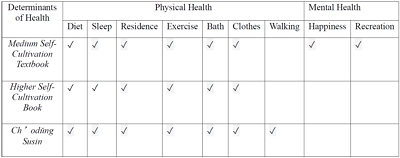
The early 20th century was a time of rapid change in Confucianism. As East Asian intellectuals actively learned from the West in the process of modernization, Confucian classical education lost its dominant position. Western learning changed the education system in East Asia, and textbooks on self-cultivation replaced traditional Confucian literature such as the Four Books and Five Classics, the children’s textbooks and the family rules, and became the textbooks for the moral education curriculum in the new academic system. Although these textbooks are still referred to as books for self-cultivation, the knowledge has been reconstructed in the Western educational framework, and their contents are not limited to moral education. This article analyzes the transformation of Confucian knowledge in Korea under the influence of Western learning based on the theoretical explanations and the school textbooks in the Korean Enlightenment Textbook Series. It reveals that Korean intellectuals established a curriculum for moral, intellectual, and physical education, as well as a curriculum for health education, which brought the Chinese and Western cultures together from conflict to coexistence at the beginning of the twentieth century.
Although Hanmun formed the backbone of Korean literary culture until the early twentieth century, its position within contemporary Korean Studies in Europe remains precarious. Limited curricular space, funding constraints, and a shortage of trained specialists have often relegated Hanmun to the status of a “luxury” rather than a core component of the field. While existing debates on Hanmun instruction have focused primarily on questions of textual selection, the underlying pedagogy has received comparatively little attention. This article addresses this gap by rethinking Hanmun training through learner-centered, interactive, and multilingual instructional strategies. Drawing on Bloom’s taxonomy as a heuristic framework, the article critiques the teacher-centered transmission model and the monolingual principle that continue to shape language instruction. It examines a corpus of eleven Hanmun textbooks and digital resources published in Korea, North America and Europe, focusing on the extent to which they enable interactivity and multilingual engagement. Building on these analyses, the article develops a set of experimental teaching practices presented in a concluding Hanmun Sandbox. These exercises emphasize chunking, translanguaging, and productive struggle, demonstrating how learners mobilize diverse linguistic and cognitive resources to construct meaning. The article argues that effective Hanmun instruction benefits from treating uncertainty not as an obstacle, but as a productive space for learning and meaning-making.
This article presents a preliminary comparative study of the cosmopoetics of Lucretius and Liu Xie 劉勰, examining how each articulates a relationship between cosmology and poetic form. Through a comparative reading of De rerum natura and Wenxin diaolong 文心雕龍, it explores the ways in which poetic form is situated within broader frameworks of natural philosophy—Epicurean atomism on the one hand, and cosmological patterning grounded in the Yijing 易經 on the other. Rather than tracing direct influence or thematic correspondence, the study adopts a micro-comparative approach that focuses on analogical structures, figurative practices, and large-scale textual organization. It suggests that in both works, linguistic and poetic form is closely aligned with accounts of cosmic process, complicating conventional distinctions between mimesis and participation. On this basis, the article considers how each author positions the poet, or sage–philosopher-poet, as a mediator between nature and knowledge. The study contributes to ongoing work in Sino-Roman comparative poetics and proposes cosmopoetic form as a useful lens for comparative literary analysis beyond essentialist East–West models.
This article reconsiders premodern Chinese statehood through a legal-philological analysis of the term guo 國 in the Tang Code. Existing scholarship has largely centered on another term, tianxia 天下 (“All under Heaven”), a cosmological expression of universalist rule that has led scholars to portray premodern Chinese notions of state authority as non-territorial. By contrast, this study shows that Tang legal conceptions of guo articulated state authority in jurisdictional and territorial terms. The Tang Code defined the polity as a bounded legal domain governed by codified regulations, guarded borders, and restricted mobility. This jurisdictional and territorial conception of rulership was embedded in the dual identities of Tang monarchs, who held the titles huangdi 皇帝 and tianzi 天子 to assert, respectively, domestic rule over a territorial realm and an outward claim to universalist authority. Through this layered conception of rulership, Tang law reveals how territoriality and universality coexisted within a single political order. Using the Tang as a case study, the article argues that premodern Chinese statehood cannot be reduced to cosmological universalism and that legal texts offer a critical yet underexplored window into the intellectual foundations of imperial governance across East Asia.
This paper takes as its point of departure the persistent difficulty in reading Hanmun (Korean Literary Sinitic) texts despite prior knowledge of grammatical rules, and reexamines this problem from cognitive and pedagogical perspectives. It argues that reading failure in Hanmun texts lacking punctuation should not be attributed to an insufficient understanding of individual grammatical items, but rather to a lack of syntactic unit recognition and reading stability. From this perspective, the article focuses on toksong 讀誦, a core practice in premodern Hanmun education, and interprets it not merely as recitation or memorization but as a mode of reading through which syntactic structures are embodied via rhythm and repetition.
Drawing on theories of embodied cognition and skill acquisition, the article demonstrates that toksong functioned as a cognitive mechanism that fostered syntactic familiarity and stabilized grammatical segmentation prior to semantic interpretation. It further examines the place of toksong in modern Hanmun pedagogy and repositions it not as a substitute for grammatical analysis, but as a preparatory reading practice that enables such analysis. By reconceptualizing the reading of Hanmun as a structural experience that precedes meaning-centered interpretation, this study offers pedagogical and theoretical implications for contemporary Hanmun education and research on classical literacy.
This article examines the formation, transformation, and institutionalization of war memory in Chosŏn Korea through the case of Cho Hŏn (1544–1592) and the Tomb of the Seven Hundred Righteous Martyrs (Ŭich’ong 義塚). While contemporary evaluations of Cho Hŏn 朝憲, the righteous armies (Ŭibyŏng 義兵), and their actions during the Imjin War (1592–1598) were far from uniform, the earliest official account—Yun Kŭn-su 尹根壽’s inscription on the Sunŭibi 殉義碑 (1603)—selected and reorganized particular memories while excluding others. By framing Cho Hŏn and the seven hundred martyrs as embodiments of chŏlŭi 節義 (resolute loyalty unto death), this inscription exerted decisive influence on the subsequent shaping of collective memory.
Rather than adjudicating historical accuracy or military effectiveness, this study focuses on how divergent memories were transformed into authoritative records through commemorative media such as steles, ritual sites, didactic compilations, and state-sponsored rites. Special attention is given to An Pang-jun 安邦俊’s Hangŭi sinp’yŏn 抗義新編 and its illustrated woodblock prints, as well as the compilation of the Tongguk sinsok samgang haengsildo 東國新續三綱行實圖 under King Kwanghaegun 光海君, which visually and textually codified righteous martyrdom as a moral foundation for postwar reconstruction. The article further traces how these selectively reconstructed memories were reinforced through honorific commendations, local ritual practices, and repeated acts of royal recognition, extending into the modern period through state-led heritage restoration.
By situating the Ŭich’ong and the Sunŭibi within a long continuum of remembrance, this study argues that war memory in Chosŏn Korea was neither static nor consensual but actively produced through processes of selection, exclusion, and reconfiguration. Monuments and records functioned not merely as reflections of the past but as instruments that shaped shared perceptions of loyalty, righteousness, and national reconstruction. In highlighting these dynamics, the article underscores the critical role of commemorative practices in transforming fragmented experiences of war into enduring collective memory.
Developed in the context of university teaching in Korean studies for beginners in Classical Chinese hanmun, the puzzle method is used to approach unknown texts with a focus on efficiency, as in an exam where time is limited and the use of electronic devices is prohibited. It synthesizes common practices among readers of Classical Chinese, centered around the concept of a “puzzle.” The metaphor works on multiple levels: the text is the puzzle to be reconstructed, its main lines are the ‘big picture’ that the puzzle represents; the pieces are the words, presenting semantic (image) and syntactic (contours) aspects; the pieces are variously loaded with information to suggest the big picture of the puzzle, so that the search primarily targets the most suggestive Sino-Korean characters hancha in order to be effective. The playful aspect of the puzzle, using information provided by characters already known to learners as a starting point to build a search plan that prioritizes the hancha to be searched for, helps develop beginners’ self-confidence. It develops patience, concentration, and reflection in learners, and dispels the belief that the dictionary is a magic tool that immediately provides the correct solution. The method, developed without the use of AI, is environmentally friendly and does not create dependence on specific technological tools, other than knowledge of how to use indexes to search for hancha in paper dictionaries. It was described in detail in a hanmu teaching textbook published in France in 2025.
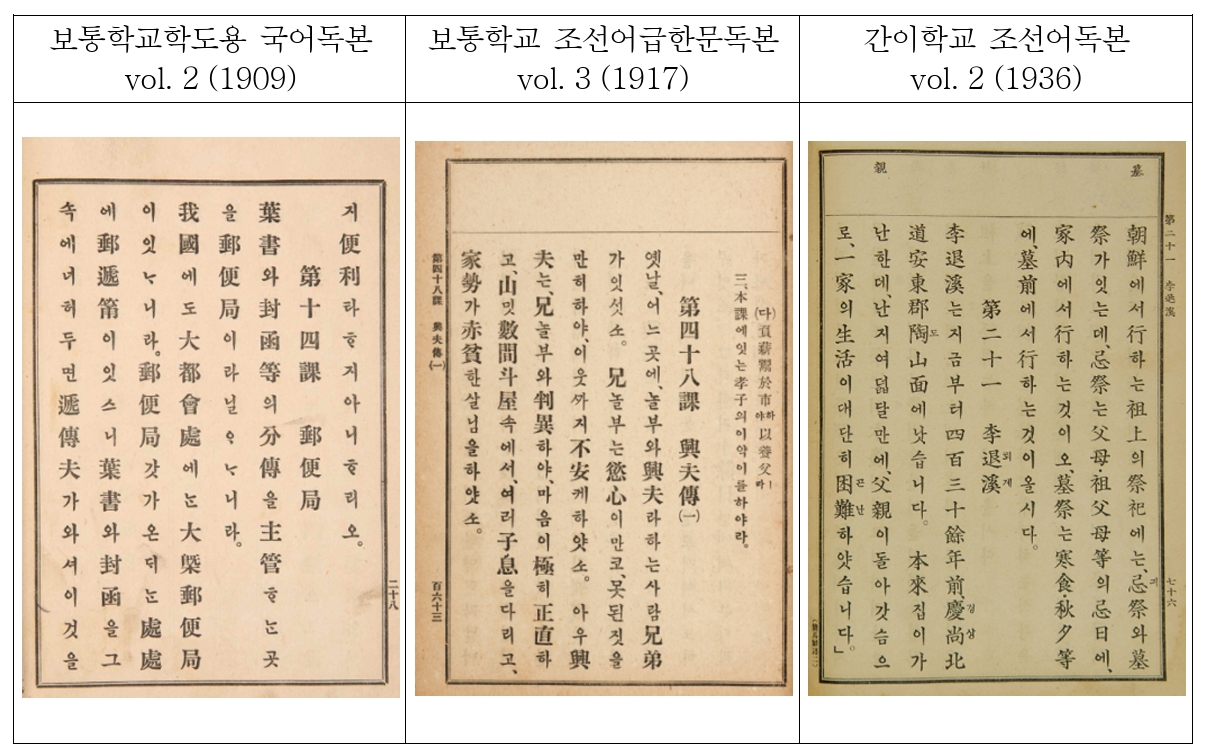
This study examines how Hanja education policy in Korea has changed in relation to shifts in language and script policy since the twentieth century. It takes as its starting point the 1894 Royal Edict of King Kojong 高宗(r. 1863–1907), which marked the transition of Korea’s official writing system from Hanja-centered writing to Han’gŭl-centered writing. To this end, the study divides Korean language and script policy into the periods before and after 1945 and analyzes how the policies of each period affected Hanja education policy in Korea.
The findings are as follows. First, the major policies that influenced Hanja education policy in Korea since the twentieth century include the 1894 Royal Edict of King Kojong, the Act on the Exclusive Use of Han’gŭl of 1948, and the Framework Act on the National Language of 2005. Second, in the process of implementing these policies, various issues related to Hanja education were discussed or put into practice, including arguments for the abolition of Hanja, Hanja education in elementary and secondary schools, Hanja education within the Korean language curriculum, the parallel notation of Hanja, the establishment of commonly used Hanja, and the designation of basic Hanja for Literary Sinitic education. Third, future Hanja education policy should be based on an investigation of Hanja vocabulary actually needed in daily life and official documents. It should also organize educational content around practical use and develop learner-customized methods that make effective use of science and technology.
This study confirms that changes in language and script policy in Korea since the twentieth century have shaped the character and direction of Hanja education policy. It is expected to provide basic material for establishing Hanja education policies suited to the linguistic life ofKorean society in the future.
In the early 20th century, a number of Korean textbooks on Hanmun (Korean Literary Sinitic) were published. These textbooks introduced new ways of understanding and teaching Hanmun grammar. Some of these innovations are highly original and explore experimental ideas.
The hŏsa/silsa paradigm (usually translated as “empty” and “full words” in English) forms the basis of many pre-modern and early modern Literary Sinitic grammars, but these concepts are understood in different ways in each of them. The conventional understanding that hŏsa are ‘function words’ does not sufficiently explain their descriptive usage in early modern Korean grammars. This article investigates how the concept of hŏsa/silsa is understood in Korean Literary Sinitic grammars and textbooks from the Late Chosŏn and Colonial periods, and how it is applied in teaching.
Although these old grammars are clearly outdated in many ways, the grammatical concepts they present still hold some didactic value. Some of these concepts, particularly the hŏsa/silsa concept, are still useful for teaching basic Literary Sinitic courses.
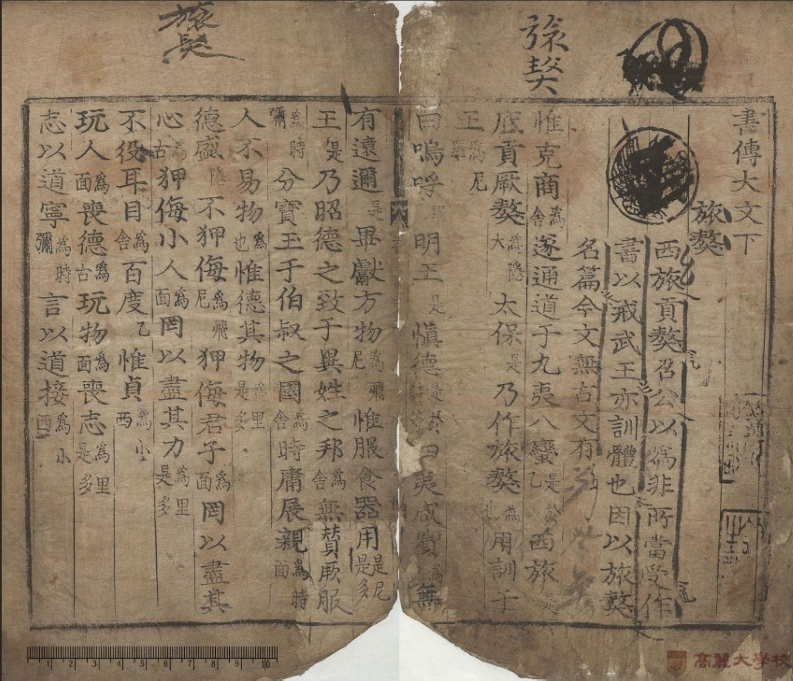
This study examines the development of royal-led publishing culture and the formation of reading practices in early Chosŏn. The Chosŏn court institutionally defined the content and method of canonical reading through the importation and reprinting of the Yongle emperor's imperially commissioned Sishu wujing daquan and Xingli daquan, the compilation of comprehensive annotated editions such as the Sajŏngjŏn hunŭi on the Zizhi tongjian, and the kugyŏl projects of the Sejo reign and the vernacular translation projects of the Sŏnjo reign. Through analysis of the Ŭrhaetype editions of the Nonŏ taemun kugyŏl and the Sŏjŏn taemun preserved in the Hwasan Collection at Korea University Library, this study identifies at least two distinct kugyŏl traditions existing between the Sejo-period kugyŏl project and the Sŏnjo-period vernacular translation project. It further demonstrates that Yi Hwang’s Kyŏngsŏ sŏgŭi reveals the persistence of a flexible scholarly environment in which multiple interpretations coexisted despite the state’s efforts to establish a single authoritative standard. Through analysis of Yi Sik's “Si ason tŭng,” this study additionally shows that the reading practices of Chosŏn literati unfolded within a dual structure shaped by the tension between state-sanctioned canonical reading and the pragmatic goal of examination success. This tension between what the state sought to teach and what literati actually sought to learn is understood as an enduring issue that resonates with contemporary Korean educational culture.
A Sino-Korean literature textbook for English-speaking college students, currently under development, should aim to highlight the unique characteristics of the history of Sino-Korean literature, offering distinct value compared to previous textbooks that primarily focus on Chinese classics. This paper outlines the design of a curriculum for teaching ‘Korean-style’ Sinographic literature in a single chapter of the new textbook, which was developed to address the mismatches between literary Chinese and vernacular Korean. The proposed curriculum is divided into two parts, each with three sections, and is designed to systematically convey the history, scope, and grammatical features of ‘Korean-style’ Sinographic literature. Part I addresses the historical context of Korean literature and examines how to define and delineate the boundaries of ‘Korean-style’ Sinographic literature. This part includes: Section 1, an explanation of the linguistic reasons behind the invention of ‘Korean-style’ Sinographic literature; Section 2, an overview of the historical development of ‘Korean-style’ Sinographic literature; Section 3, a justification for selecting Idu as a representative style among other Korean Sinographic writing systems. Part II focuses on approaches for teaching the grammatical elements of Idu and incorporating textual examples that demonstrate its practical usage. This part includes: Section 4, an introduction to the basic elements of Idu; Section 5, an analysis of the grammatical structure of Idu; Section 6, textual examples illustrating the use of Idu in historical contexts.
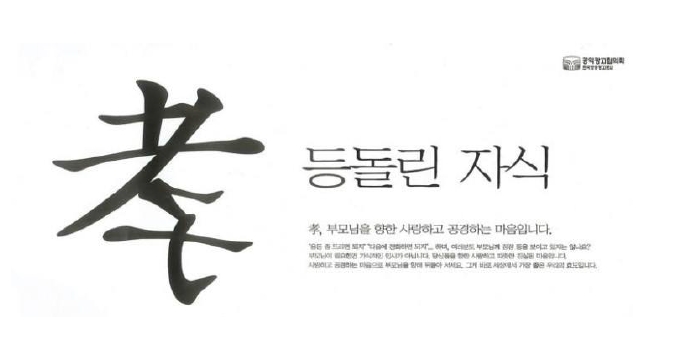
This study examines how the social status of Hanja 漢字 “Sino-Korean characters” and Hanmun 漢文 “Literary Sinitic” has changed within the history of knowledge formation in Korea, focusing on three interrelated layers: shifts in episteme, the reconfiguration of knowledge baselines, and transformations in curriculum discourse. Hanja and Hanmun were marginalized in the context of modern nationstate language policy and the establishment of disciplinary academic systems, but this did not immediately entail the disappearance of their educational value. Rather, Hanja education came to be assigned new goals, such as deepening vocabulary and literacy, facilitating access to historical texts, and cultivating an understanding of the shared written culture of East Asia. At the same time, the ways in which each country and region evaluated and authorized “valuable” knowledge became a key factor in reshaping the respective status of Hanja and Hanmun.
The traditional liushu (Six Principles) theory, while effective in explaining the historical formation of Chinese characters, is not readily applicable to the analysis of modern character forms. This study proposes a structure-based interpretation grounded in the present forms of Chinese characters and reconstructs a classification system on this basis.
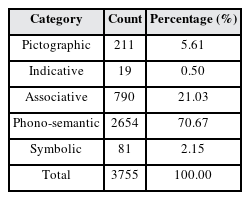
At the classificatory level, the notion of structural motivation is redefined, and a revised fivefold system is proposed, consisting of pictographic, indicative, associative, phono-semantic, and symbolic characters. At the level of structural mechanisms, a tripartite functional model of components—semantic, phonetic, and symbolic—is introduced.
The concept of “component languaging” is further proposed to account for the transformation of components from graphic units into functional linguistic units capable of participating in subsequent character formation. On this basis, a type–function model is established, integrating classification, structural mechanisms, and structure-based interpretation.
This model provides a unified synchronic framework for the analysis of modern Chinese characters and offers a theoretically grounded and operational approach to their structure-based interpretation.
This paper aims to examine various methods of Chinese character education practiced in China and to identify their characteristics and implications. As a country that has used Chinese characters as the writing system of its native language, China has accumulated extensive research and practical experience in Chinese character education over a long period of time. Based on this background, China has established the scope and hierarchy of characters to be learned at the level of the national curriculum and has developed and applied diverse instructional methods according to learners’ developmental stages and educational objectives. An analysis of these methods can provide useful insights not only for Chinese character education in Korea but also for the development of instructional methods for learners outside Chinese-speaking contexts.
This paper first examines the Basic Character List for Literacy and Writing Instruction (識字寫字敎學基本字表) and the Commonly Used Character List for the Chinese Language Curriculum in Compulsory Education (義務敎育語文課程常用字表), both of which were presented by the Chinese Ministry of Education. These lists institutionalize, at the national level, the range and sequence of Chinese characters to be learned during compulsory education and serve as important standards for textbook compilation and the organization of teaching and learning content. In particular, the Commonly Used Character List presents 3,500 characters to be mastered during compulsory education, while the Basic Character List selects 300 characters that should be taught first at the initial stage of learning. This indicates that Chinese character education in China is not dependent solely on individual teachers’ experience or textbook compilers’ judgment, but is systematically organized according to national standards.
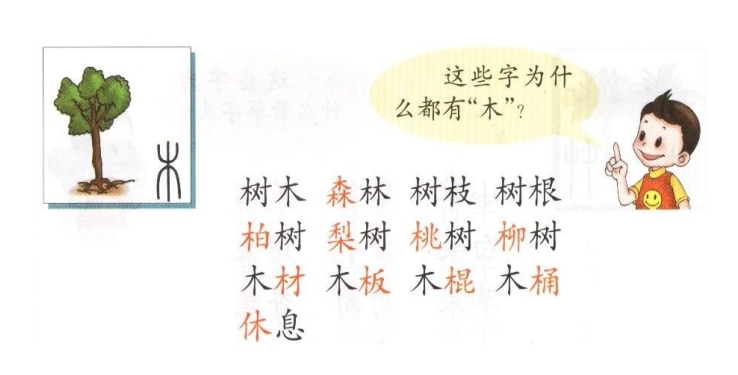
The paper then discusses the content and characteristics of representative methods of Chinese character education used in China, including the Concentrated Character Recognition Method (集中識字法), Distributed Character Recognition Method (分散識字法), Phonetic-Notation-Based Character Recognition Method (注音識字法), Component-Based Character Recognition Method (部件識字法), Character-Principle-Based Character Recognition Method (字理識字法), and Root-Character-Based Character Recognition Method (字根識字法). The Concentrated Character Recognition Method emphasizes intensive learning of characters before moving on to reading instruction, whereas the Distributed Character Recognition Method enables learners to acquire characters naturally through the process of reading textbook passages. The Phonetic-Notation-Based Method connects early reading ability with character recognition by using pronunciation guides. The Component-Based and Root-Character-Based Methods make use of the structural analysis of Chinese characters, while the Character-Principle-Based Method helps learners understand the relationship among character form, sound, and meaning on the basis of the principles of character formation. Although each method has its own strengths and limitations, together they demonstrate that Chinese character education can be designed in various ways by taking into account both the structural features of Chinese characters and the learners’ level.
This paper also examines cases in which digital technologies are applied to Chinese character education in China. Electronic dictionaries, digital textbooks, educational software, learning games, and video materials are widely used, contributing to greater accessibility and to the expansion of learning methods and environments. Such digital resources and platforms may also offer meaningful references for developing new teaching and learning methods in Korean Chinese character education.
However, Chinese character education in China differs from that in Korea in several respects, since it presupposes an environment in which Chinese characters are used as the native writing system, employs simplified characters, and aims primarily at developing reading and writing abilities. Therefore, when applying Chinese research findings and instructional methods to Korea, it is necessary to critically reconsider them in light of the aims and conditions of Korean Chinese character education, such as the understanding of Korean vocabulary, the learning of Sino-Korean words, and education in traditional culture. Nevertheless, China’s systematic use of character lists, development of diverse character recognition methods, and active adoption of digital technologies provide significant implications for improving and expanding Chinese character education in Korea and other regions outside China.
This article serves as a preliminary study for a larger project on developing Literary Sinitic textbooks for Anglophone learners. It examines major Literary Sinitic textbooks published for use in Korean universities since the twentieth century, focusing on three aspects: the definition and scope of Literary Sinitic, pedagogical approaches, and the selection of texts. The study shows that Korean university textbooks generally present Literary Sinitic as both an integral part of Korean literary tradition and a shared classical language of the Sinosphere. They also place considerable emphasis on systematic grammatical instruction while recognizing the limitations of grammar-centered pedagogy. In addition, some textbooks employ pedagogical strategies such as diagramming methods and practice exercises to promote active learner engagement. With regard to text selection, they seek to balance representative works with broader educational objectives, although further diversification remains desirable. Based on these findings, this article argues that future textbooks for Anglophone learners should provide a clear explanation of the concept and scope of Literary Sinitic, adopt a balanced approach to grammatical instruction, and diversify their selection of texts in light of recent scholarship and the needs of Korean Studies. It is hoped that these observations will contribute to the development of more effective Korean Literary Sinitic teaching materials for Anglophone learners.
This study examines how the social status of Hanja 漢字 “Sino-Korean characters” and Hanmun 漢文 “Literary Sinitic” has changed within the history of knowledge formation in Korea, focusing on three interrelated layers: shifts in episteme, the reconfiguration of knowledge baselines, and transformations in curriculum discourse. Hanja and Hanmun were marginalized in the context of modern nation-state language policy and the establishment of disciplinary academic systems, but this did not immediately entail the disappearance of their educational value. Rather, Hanja education came to be assigned new goals, such as deepening vocabulary and literacy, facilitating access to historical texts, and cultivating an understanding of the shared written culture of East Asia. At the same time, the ways in which each country and region evaluated and authorized “valuable” knowledge became a key factor in reshaping the respective status of Hanja and Hanmun. The current state of Japanese Chinese Character 漢字 (kanji) and Classical Chinese 漢文 (kanbun) culture and the surrounding school education, serves as a valuable filter and reference to reflect on Korean linguistic practices and to explore the future direction of Korean Classical Chinese漢文 (hanmun) education. In 2010, for the first time in 29 years, Japan established the “Shin Jōyō Kanji” 新常用漢字 (new regular-use kanji) and revised large-scale educational reforms alongside the Course of Study reforms, bringing significant changes to linguistic practices and written life, as well as Classical Chinese education. This paper follows the author’s work from 2011 that examined the achievements and trends of Classical Chinese education research in Japan from 1945 to 2010. This paper examines the direction of Classical Chinese education and the current state of Chinese Character education research over roughly ten years since 2010.
The framework of this research conducted in this paper is as follows. ① The social, cultural, and educational background of the implementation of the “Shin Jōyō Kanji” which has not been covered or sufficiently addressed in previous research, and the content of the 2017-2018 revised Course of Study are analyzed. ② Focusing on high school Classical Chinese, the direction, purpose, and characteristics of Classical Chinese education under the new curriculum are examined, and the trends, content, and questions of recent university admission Classical Chinse examinations are also examined. ③ The achievements related to Classical Chinese education published in the leading specialized journal on Classical Chinese education Atarashii Kanji Kanbun Kyōiku 新しい漢字漢文教育 (Journal of New Kanji and Kanbun Education) are organized by area and topic, and the current status and characteristics of recent research and teaching examples in Japanese Classical Chinese education are reviewed.
The world of Classical Chinese in East Asia is not homogeneous. It is important to keep this in mind and apply this point in Classical Chinese education and its research. The differences from Korea allow for a clearer understanding of the diversity of the East Asian world of Classical Chinese, as well as Korea's unique characteristics and position. Meanwhile the similarities or shared aspects with Korea can serve as direct reference for reflecting on and improving Korean policies and practices. The author intends to continue reporting the status of Japanese Classical Chinese education and its research to the academic community roughly every ten years, while further examining the specific topics section described in this paper as necessary.
This article examines the transregional dissemination and localization of the post-May Fourth linguistic reforms—specifically Vernacular Chinese (baihua) and the National Language (Guoyu)—within the Chinese diaspora of Malaya and Singapore (Nanyang). Moving beyond the traditional "impact-response" paradigm, this study argues that the adoption of the vernacular was not merely a passive cultural importation from mainland China, but an "active fabrication of identity" necessitated by the complex realities of British colonial rule and severe internal dialectal fragmentation. By analyzing early Chinese press materials, such as the Sin Kuo Min Jit Poh, and local educational records, the research traces the tangible trajectory of this linguistic transformation. It first highlights the role of newspapers as media vanguards that transitioned from reprinting mainland literature to cultivating local vernacular expression to discipline oral traditions. Subsequently, it investigates the institutionalization of Guoyu in formal schools and grassroots night schools, which served to educate the laboring classes and dismantle provincial boundaries. Ultimately, the "remolding of the tongue" in Nanyang facilitated the construction of a transregional Zhonghua identity, demonstrating how language standardization functioned as a profound tool for social reorganization and diasporic integration.
The second half of the nineteenth century became a time of many dramatic events on the Korean peninsula. With opening the country to trade and diplomacy with Westernized (Japan) or Western (USA, France, Great Britain) countries led to a division within Korean society, since the 1880s Chosŏn (Korea) has entered the age of political and social turmoil. Several fractions, supporting different diplomatic approaches, guided by influential political figures, were formed at the Korean court. It is their constant clashes that can be partly blamed for the inconsistency of Chosŏn’s diplomatic and political course at that time.
In light of the above, it is noticeable that, rather than stressing Kojong’s authority or hinting at the political influence of Hŭngsŏn Taewŏn’gun, the Russian-language part of Korean studies academy is generally paying attention to the Queen, labeling her as the main figure who guided the state policy from the shadow of her husband’s back. In the Russian analytical literature, Queen Min, also being the head of the influential Min-clan, is responsible for seizing power by removing Taewŏn’gun from office; requesting China’s military support to solve the Imo incident of 1882; being involved in appealing to China in 1894 for suppressing the peasant uprising that had brought up the Sino-Japanese War (1894-1895); and generally guiding Chosŏn’s diplomacy throughout 1880s and 1890s, ensuring the country’s rapport with China, the United States, and, later, with Russia. Finally, by Russian-speaking scholars, it was Queen Min’s firm resistance to Japan’s involvement in Korean state affairs in the mid-1890s that ultimately brought her assassination in October 1895.
This paints a vivid picture of Queen Min as one of the most influential politicians of her time, which stays unchallenged and largely unexplained in the Russian-language part of Korean studies academia. This paper is an attempt to shed some light on the roots of this analytical concept. The authors will attempt to outline Queen Min’s assessments present in Russian academia and trace their original source. A critical analysis of these evaluations will also be performed with the aim of revealing the true historical role that Queen Min played in Chosŏn politics and diplomacy in the late nineteenth century.
To achieve these goals, the authors will carry out an analysis of narratives regarding Queen Min and her political role, present in publications of Russian-language scholars (such Tatiana Simbirtseva, Oleg Kurbanov, Vladimir Tikhonov), comparing them to available primary sources (for instance, Kojong Sillok, Queen Min’s diary of 1882, Yun Chi Ho’s diary, memoirs of Lilias Horton Underwood and other) and narratives, present in relevant publications of scholars from English-speaking part of an academia.
This article seeks to redefine the Kim Pusik’s 金富軾 (1075-1151) Samguk sagi 三國史記 (Histories of the Three Kingdoms) as a more imaginative and literary text by foregrounding its “supernatural” elements (collectively referred to as “wonder tales”), rather than emphasizing the ‘Confucian’ orientation that has conventionally been prescribed to it. It reviews the extend of incorporation of “wonder tales” into the historiographical content of Samguk sagi and outlines the connections between their literary essence and structural functions. The references to extraordinary are typified and distributed by six groups whose attributes are both contextual and functional: the subject matter itself (what is told, in which circumstances the matter is referred to) and assumed level of its compliance with the norms of Confucian historiographical accountability (trustworthiness). These references are analyzed contextually with illustrative references to the Chinese ‘normative histories’ principles. Then the political and structural functions of mystical motifs in the Histories of the Three Kingdoms are deducted and explained. Finally tentative conclusions are offered on the principles of choice of “wonder stories” for the historical narration in the Samguk sagi and their functions as ‘special historiographical elements’ are discussed.






 News
News First
First Prev
Prev